

선 생님: 🔔 Ready for a delicious Korean mini lesson today?
학생: ✏️ Wait, delicious? Are we learning food vocab?
선 생님: 🔔 Exactly! We’re diving into fruits in Korean — a perfect topic for beginners.
Fruits are easy, useful, and help you build real Korean sentences right away.
학생: ✏️ Cool. I know “banana” in Korean already!
선 생님: 🔔 Awesome! Let’s learn fruits in Korean and grow your Korean fruit vocabulary.
I’ll show you the Korean word, an example sentence, and explain how it works.
By the way, if you’re looking for a list of fruits in Korean or even fruits in Korean language with pictures, you’re in the right place 😉
Apple – 사과 (sagwa)
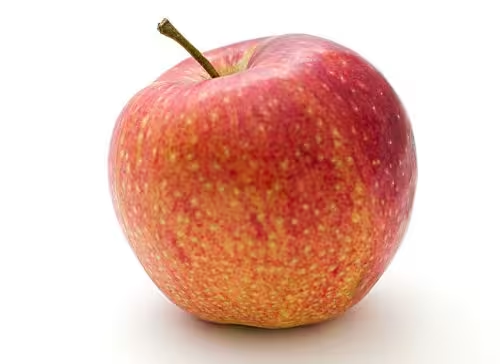
선 생님: 🔔 Here’s your first fruit in Korean: 사과는 빨개요.
학생: ✏️ Hmm… ‘빨개요’? What does that mean?
선 생님: 🔔 It means “is red.” So the whole sentence means: “Apples are red.”
사과” is apple, and “-는” is a topic marker. You’ll see it a lot — it’s like saying “as for apples…
학생: ✏️ Got it! 사과는 빨개요. That’s kind of fun to say.
선 생님: 🔔 Right? And it’s polite, so you can use it anywhere.
Banana – 바나나 (banana)

선 생님: 🔔 Next up: 저는 바나나를 좋아해요.
학생: ✏️ Wait… ‘저는’ is ‘I’, right?
선 생님: 🔔 Yep! And “좋아해요” means “like.” So: “I like bananas.”
Also, notice “-를.”
학생: ✏️ after 바나나?
선 생님: 🔔 That’s the object marker — it shows what you like.
학생: ✏️ So if I liked apples, it’d be ‘저는 사과를 좋아해요’?
선 생님: 🔔 Exactly. You’re catching on fast 🍌
Most Korean courses stop at grammar. Mine goes further — stories, breakdowns, and actual practice to make you speak.
🌟 Learn with Stories & Practice
Strawberry – 딸기 (ttalgi)
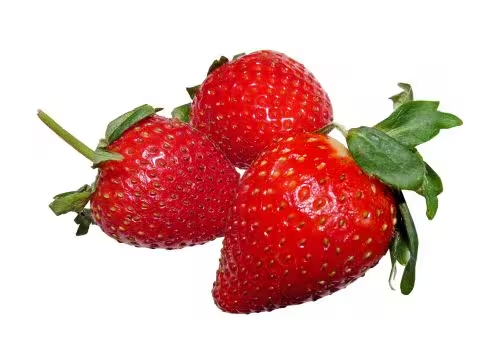
학생: ✏️ “딸기는 달아요.” “달아요… sweet?
선 생님: 🔔 Yup! It’s from the verb “달다” (to be sweet), and “달아요” is the polite form.
“Strawberries are sweet.”
학생: ✏️ Strawberries are really sweet. 딸기는 진짜 달아요!
선 생님: 🔔 Nice bonus sentence! You just added “진짜” – that means “really.”
Tangerine – 귤 (gyul)
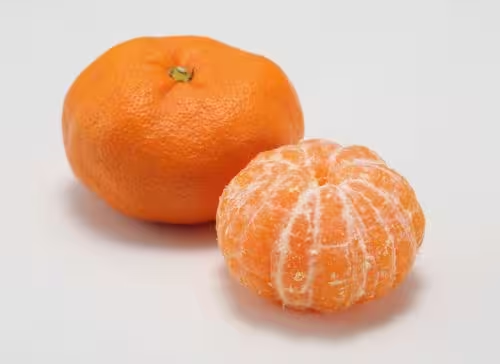
학생: ✏️ “귤을 샀어요.”
Ahh, I remember this! 샀어요 = bought?
선 생님: 🔔 Exactly! This one means:
“I bought a tangerine.”
“사다” is “to buy,” and “샀어요” is the past tense.
학생: ✏️ If I wanted to say ‘I bought a book,’ can I say ‘책을 샀어요’?”
선 생님: 🔔 Yes! That’s a great sentence.
Want to learn how to use 먹다 and more Korean food verbs naturally? Practice with 먹다 →
Looking for real Korean food to try? Explore authentic Korean recipes on Maangchi’s site →
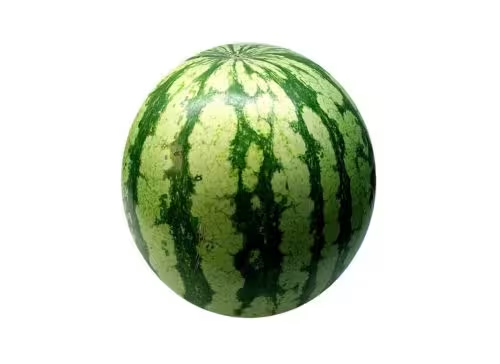
Watermelon – 수박 (subak)
선 생님: 🔔 Ready for a longer one?
수박은 크고 맛있어요.
학생: ✏️ “크다” = big, “맛있다” = delicious… So:
“Watermelons are big and delicious”?
선 생님: 🔔 Perfect. “-고” connects the two adjectives, like “and.”
학생: ✏️ 바나나는 길고 노래요?
Bananas are long and yellow?
선 생님: 🔔 Haha, yes! That’s awesome grammar practice 😄
Grape – 포도 (podo)
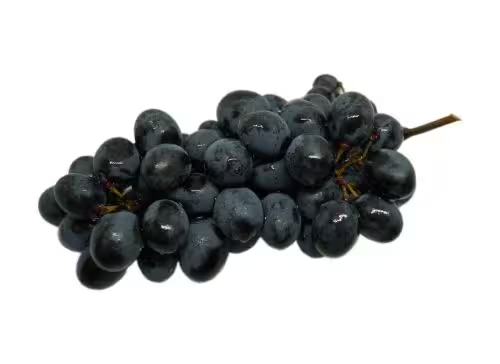
선 생님: 🔔 Here’s a color word:
포도는 보라색이에요.
학생: ✏️ 보라색 = purple!
선 생님: 🔔 Correct. So:
“Grapes are purple.”
“이에요” is used after nouns ending in consonants.
Peach – 복숭아 (boksunga)
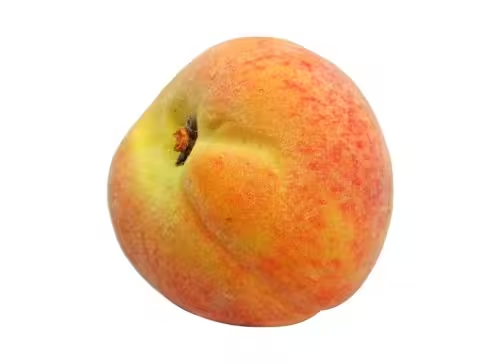
선 생님: 🔔 Last one:
복숭아는 부드러워요.
학생: ✏️ “부드러워요”… what does that mean?
선 생님: 🔔 It means “soft.”
“Peaches are soft.”
It’s a great word to describe food, fabric, or skin!
Want to master the names of your favorite foods in Korean? Learn them with simple examples here →
Quick Summary: List of Fruits in Korean
Here’s a quick-reference list of common Korean fruits with pronunciation:
| Fruit | Korean | Pronunciation |
|---|---|---|
| Apple | 사과 | sagwa |
| Banana | 바나나 | banana |
| Strawberry | 딸기 | ttalgi |
| Tangerine | 귤 | gyul |
| Watermelon | 수박 | subak |
| Pineapple | 파인애플 | painaepeul |
| Grape | 포도 | podo |
| Peach | 복숭아 | boksunga |
Final Thoughts
학생: ✏️ That was actually super fun. I didn’t expect learning fruits in Korean to be this interesting.
선 생님: 🔔 Right? Exploring fruits in Korean language helps you learn everyday vocabulary that you’ll actually use. Plus, these fruit words are perfect for building beginner sentences!
학생: ✏️ Yeah! I feel like I just memorized a whole list of fruits in Korean without even trying.
선 생님: 🔔 That’s the magic of conversational learning. By seeing Korean fruit vocabulary in real sentences, like “수박은 크고 맛있어요” or “사과는 빨개요,” you naturally remember the words — and how they work in context.
학생: ✏️ I also liked seeing different sentence patterns, not just a boring word list.
선 생님: 🔔 Exactly! A simple list of fruits in Korean is helpful, but using those words in conversations makes it stick. Whether it’s 딸기, 바나나, or 복숭아, now you can recognize and use these fruits in Korean naturally.
학생: ✏️ Now I want some watermelon… and more Korean lessons.
선 생님: 🔔 You’re in the right place for both 🍉✨
There are more fun lessons like this waiting for you. Want to keep growing your Korean vocabulary and speaking confidence? Start with common topics like fruits in Korean, then move into stories, tastes, food, and beyond.
Let’s keep going together!